If you are reading this article, chances are you are experiencing a specific kind of stress that feels less like excitement and more like an impending deadline. The pressure is real. We know the feeling: staring at gift websites late at night, scrolling past gadgets for "Dads who have everything," and feeling that familiar Get more information wave of anxiety wash over you. You want to give something meaningful—something that says, “I see you.”
The internet has made finding gifts easier than ever, but it hasn't made the decision-making process any less emotionally taxing. And when we search "When is the best time to buy Father’s Day presents?", what we are really asking is: How do I avoid a last-minute panic purchase that feels generic?
The short answer is this: The best time to start shopping for thoughtful gifts isn't dictated by sales cycles or store inventories. It's determined by how much emotional bandwidth you want to dedicate to the process itself. If you’re aiming for 'thoughtful and personalized,' your timeline needs to be measured in weeks, not days.
Rethinking the Timeline: Strategy Over Schedule
The common mistake is treating gift shopping like a sprint—waiting until the last minute to tackle the challenge. But exceptional gifts are rarely found at 8 PM on the Saturday before Father's Day. They require time for discovery. Think of it less as buying an item and more as curating a memory or an experience.
To shift your mindset from "What should I buy?" to "What does he need?", consider these strategic anchors:
- The 4-Week Window (Optimal): This is the sweet spot for most people. Four weeks gives you enough time to brainstorm, gather input, research unique local options in Australia, and purchase without feeling rushed. It allows room for shipping delays or slight price fluctuations. The 2-Week Window (Challenging but Doable): This requires a laser focus. You must decide on the type of gift immediately (e.g., "We are doing an experience," or "It has to be tech-related") and stick to it ruthlessly. The Last-Minute Rush (Avoid if Possible): Unless your father genuinely just needs a pair of socks, this window usually leads to the dreaded "Curated Generic Gift Basket."
Three Pillars for Stress-Free Gifting
Instead of focusing on when, let’s focus on three pillars that support low-stress shopping and high-impact gifts. These strategies help you get out of the endless scroll and into the zone of genuine thought.

Pillar 1: The Information Gatherer (The Low-Effort Start)
If you are struggling with ideas, don't start by looking at gifts. Start by asking questions. A gift is simply a physical representation of an understanding. What do you know about him that he hasn’t shared?
- Observe his habits: Does he always complain about the same thing (e.g., "My back hurts," or "I wish I had more time to read")? That complaint is your gift prompt. Use shared history: What are you three years ago that he loved doing? Can you recreate that moment, even on a smaller scale? The 'Wish List' Hack: If other family members are involved, create a private group chat and ask everyone to list one thing they think he would genuinely enjoy receiving.
Pillar 2: The Anti-Anxiety Gift Categories (When Ideas Fail)
If the brainstorming process stalls out, here are three reliable categories that almost always hit the mark, regardless of budget or interest level. These require time to research properly, not just a quick click.
- The Experience: Nothing says "I care" like spending time together. This could be tickets to a sporting event, a class (like grilling or brewing), or an escape room adventure with friends. Remember: The memory is the gift; the ticket stub is the receipt. The Upgrade: Think about something he uses every single day that is slightly worn out or mediocre—his wallet, his reading lamp, his coffee mug. Buying a significantly higher quality version of a daily item feels luxurious and deeply considered. The Curated Kit: This is perfect for budget-consciousness and the time crunch. Instead of buying one expensive gadget, buy 3–5 smaller, related items: high-quality tea, nice biscuits, a new bookmark, and a comfortable reading pair of socks. It looks deliberate and thoughtful.
Pillar 3: The Emotional Investment (The Art of the Gift)
Ultimately, the most valuable gift is never found on Amazon or even at the best local market in Sydney or Melbourne. It’s the element that proves you listened.
I was once tasked with finding a Father's Day gift for my father who claimed he "didn't want anything." I spent two days researching expensive electronics, only to realize I was missing the point entirely. My mother suggested instead that I simply compile all of his old ticket stubs—from concerts, movies, and sporting events over the years—and put them in a small, personalized album with handwritten captions noting the memory attached to each stub. It cost less than $20, but it made him genuinely tear up. The gift wasn't the item; it was the physical manifestation of remembering his life.
This brings us back to timing. The time you dedicate to remembering him is more important than the day you buy the thing.
A Gentle Reminder About Connection
A friend recently told me, "When I started buying gifts for my father years ago, I was focused on making him happy. Now, I realize the goal isn't happiness; it's connection." It’s a subtle but profound shift in perspective that changes everything about gift-giving.
If you are struggling to find the perfect moment or the perfect item, try this rhetorical question: What would he actually do with this? Does it fit into his existing routine, or does it open up a new one? Click here to find out more The answer will guide your timing and your budget far better than any retail calendar ever could.
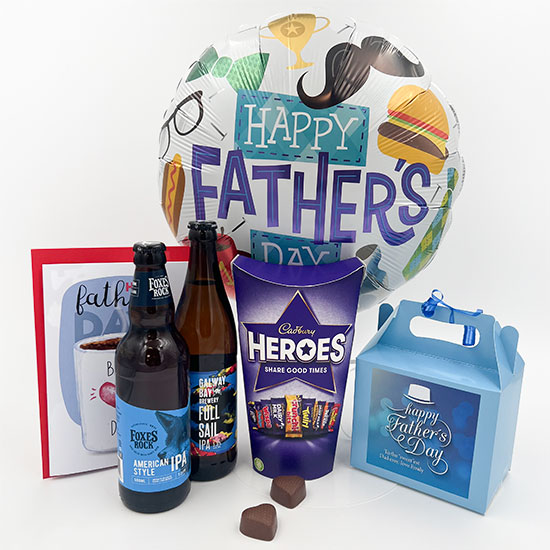
Give yourself permission to take your time. Start the thought process now. Plan for an experience, research that perfect upgrade, or simply dedicate an evening to reliving old memories together. When you approach gift-giving with curiosity rather than obligation, the stress melts away, and the resulting gift—no matter its cost—will feel perfectly timed.